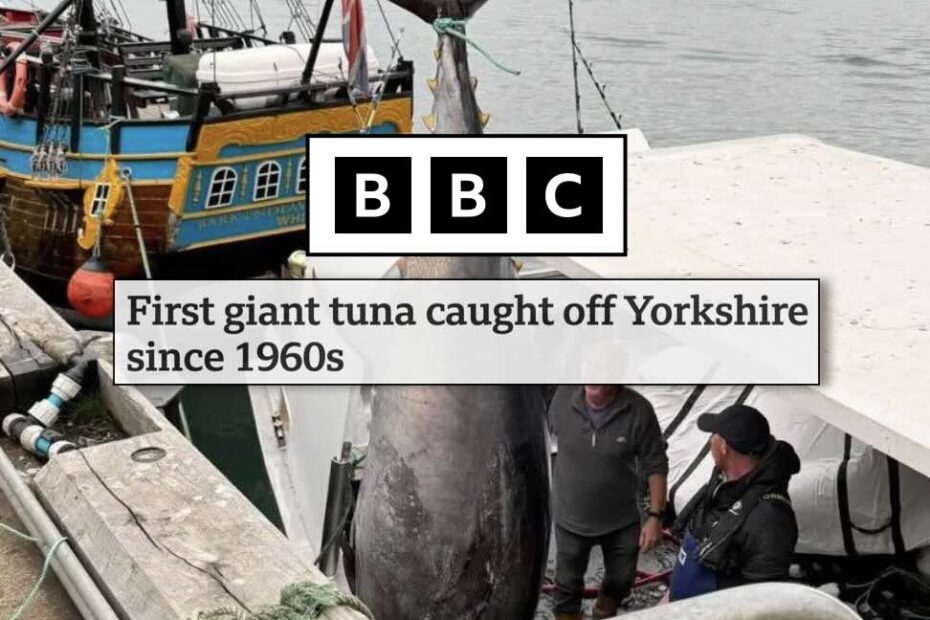
Bluefin Tuna Are Back. Why Is the BBC Celebrating Their Capture?
The BBC acknowledges that overfishing helped drive bluefin tuna out of the North Sea. So why does its coverage celebrate fishermen catching them when they finally return?

VegMediaWatch is a watchdog group that aims to improve the portrayal of veganism and plant-based foods in the mainstream media by exposing anti-vegan bias and amplifying fair and accurate reporting.
The BBC acknowledges that overfishing helped drive bluefin tuna out of the North Sea. So why does its coverage celebrate fishermen catching them when they finally return?
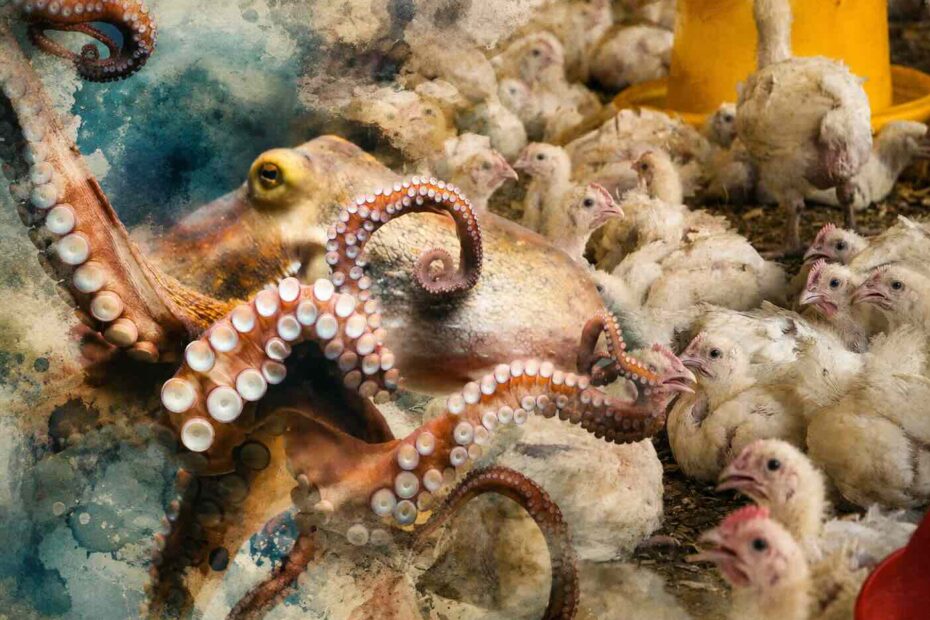
In a story about a proposed octopus farm in Spain, The Guardian does something mainstream media outlets too often fail to do when covering animals raised for food: it addresses the issue from the perspective…
In a lengthy article about Vermont’s dairy industry told through the lens of the farmers, the Boston Globe overlooks the plight of the cows and the impact of dairy farming on the environment.
In an article titled, “Why nutritionists say you should eat more tinned fish,” National Geographic not only promotes fish consumption, but also omits animal sentience and ocean conservation from the story. It’s biased and odd,…
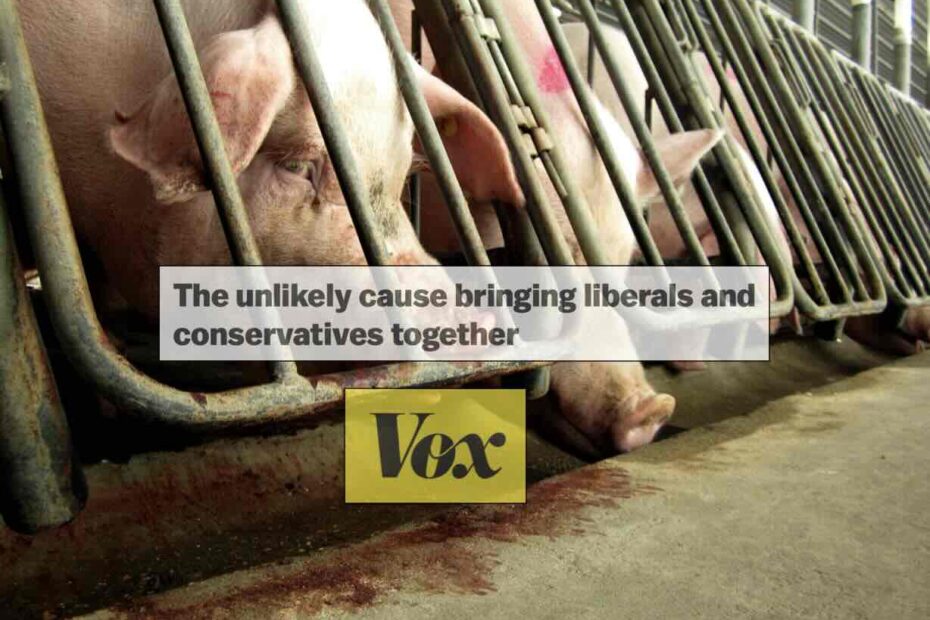
In a political climate where Americans seem divided on almost everything, Vox highlights an issue bringing liberals and conservatives together: opposition to animal ag’s cruelest practices.
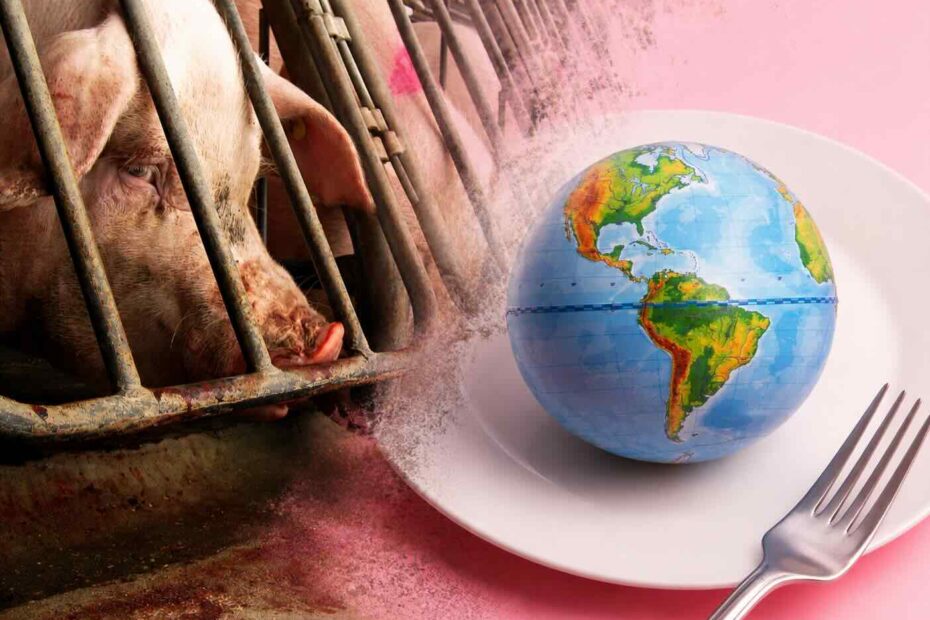
The mainstream media has largely omitted animal agriculture from its climate coverage. Please thank Newsweek for bucking the trend and reporting that what – or who – we eat affects the climate.
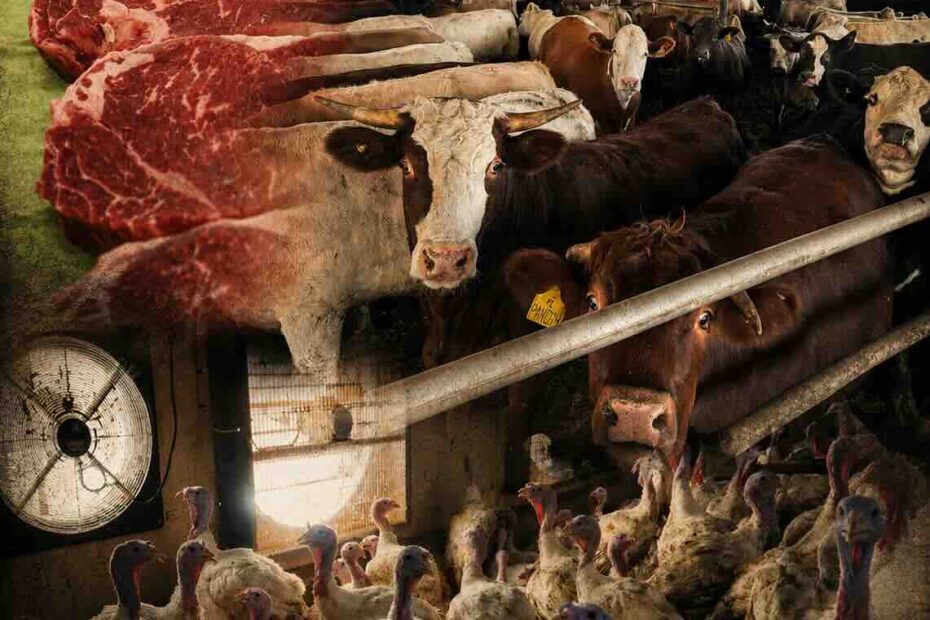
The NY Times reported that millions of broiler chickens in France were “doing just fine” before a heat wave killed them. Please click the link to tell the NY Times that NO chickens raised and…
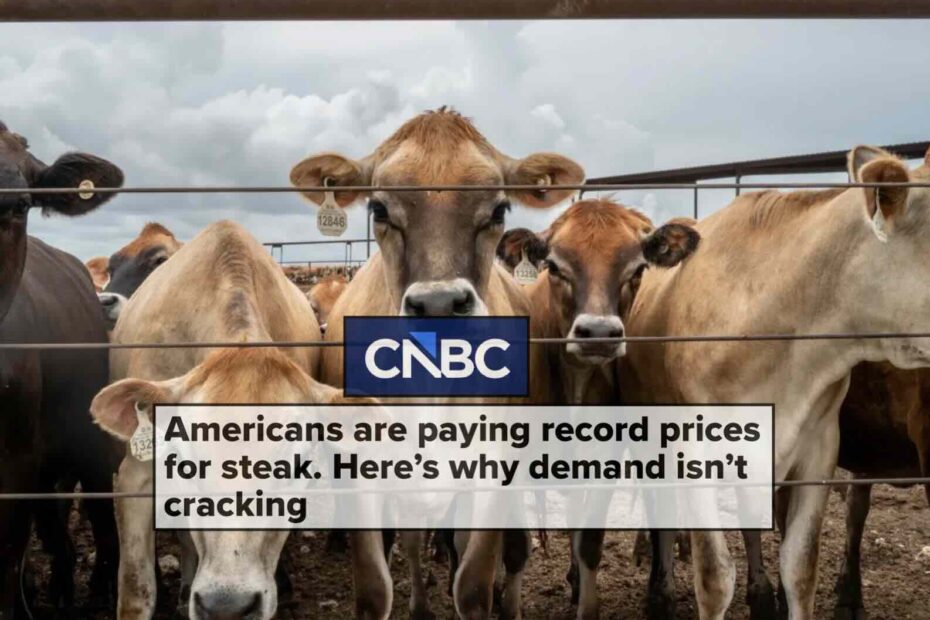
CNBC attributes rising beef prices to drought-induced herd reductions, but leaves out important context: the beef industry is a significant source of greenhouse gas emissions that contribute to climate change, which increases the risk and…

By describing Beyond Meat as “fake” and “bizarre” in a misleading, clickbait headline, the Daily Mail primes readers to view the product negatively.

By describing Beyond Meat’s new steak filets as “fake” and “bizarre,” the Daily Mail’s headline contradicts the balanced reporting that follows and raises questions about the publication’s editorial standards.