MS NOW has once again aired an in-depth segment about the beef industry that presents cattle ranchers as victims while excluding perspectives that would challenge the industry’s interests.
In a recent five-minute report, host Ali Velshi warned viewers about the potential threat posed by the New World screwworm, a parasitic insect that could inflict economic damage on cattle ranchers if spreads in the U.S. The segment focused almost entirely on the risks facing the beef industry, including financial losses and disruptions to cattle production.
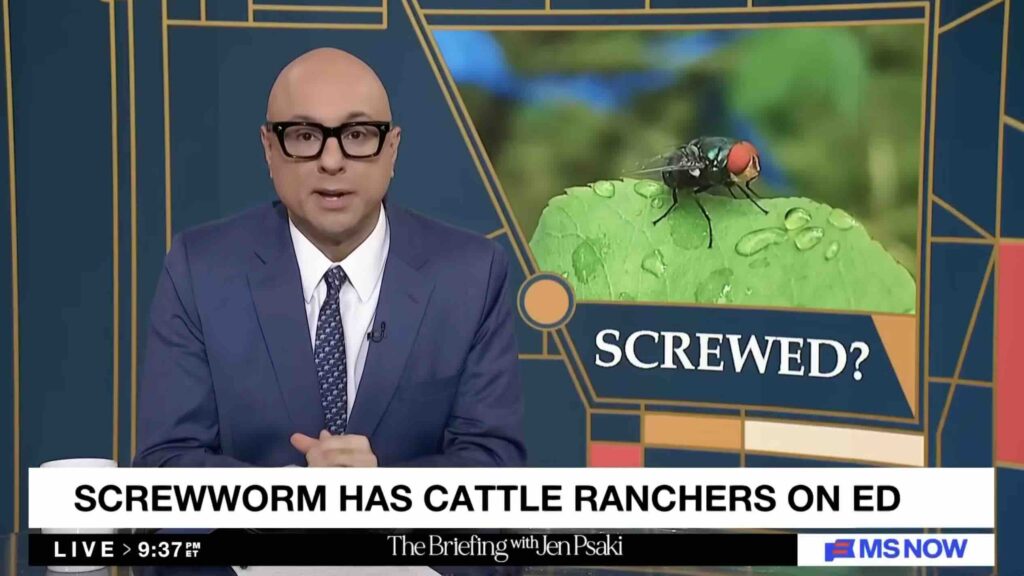
What viewers were not told is that screwworms burrow into the flesh of living animals, feeding on their tissue. Infected cattle can endure severe pain and distress for days or even weeks before dying if left untreated. Yet the impact on the animals themselves was absent from the story. Instead, MS NOW reported the news through the lens of the industry.
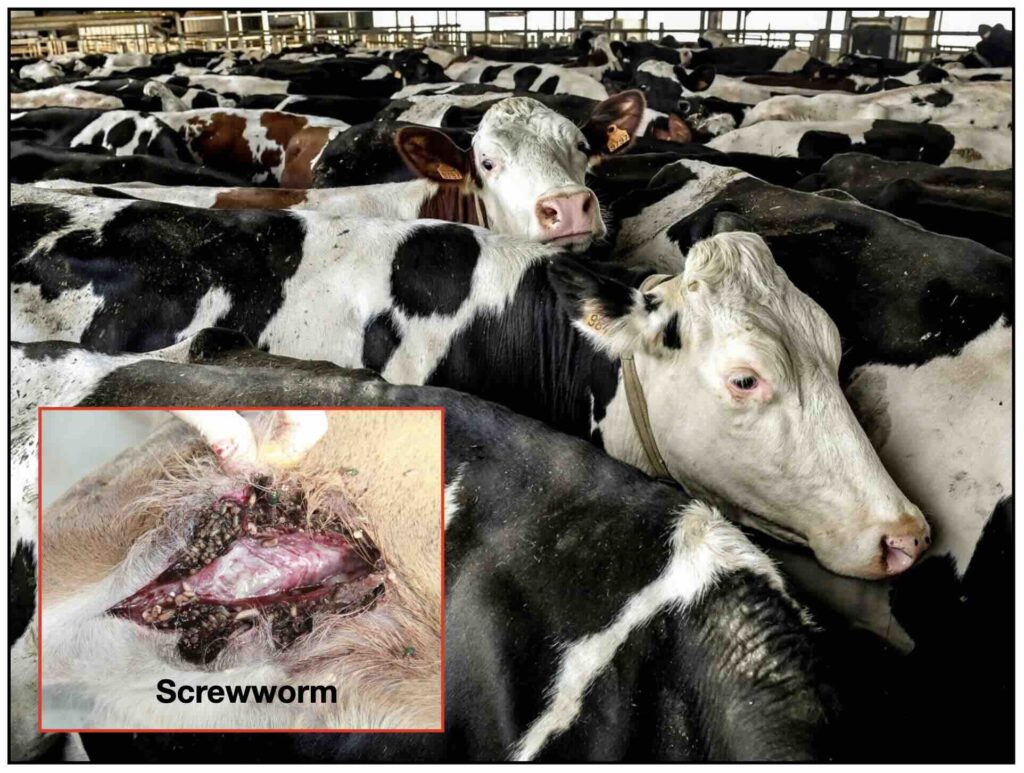
This omission reflects a broader pattern in mainstream media coverage of animal agriculture. News organizations routinely portray ranchers, meat companies and livestock producers as the stakeholders whose interests matter most, while the animals whose bodies make the industry possible receive little or no consideration.
The segment also failed to provide viewers with any meaningful context about the broader impacts of beef production. Velshi made no mention of the substantial body of research linking processed meat consumption to cancer. He also omitted discussion of cattle ranching’s role in greenhouse gas emissions, water pollution, deforestation, biodiversity loss or antibiotic resistance. As a result, viewers were presented with a story in which protecting cattle production was treated as an unquestioned public good.
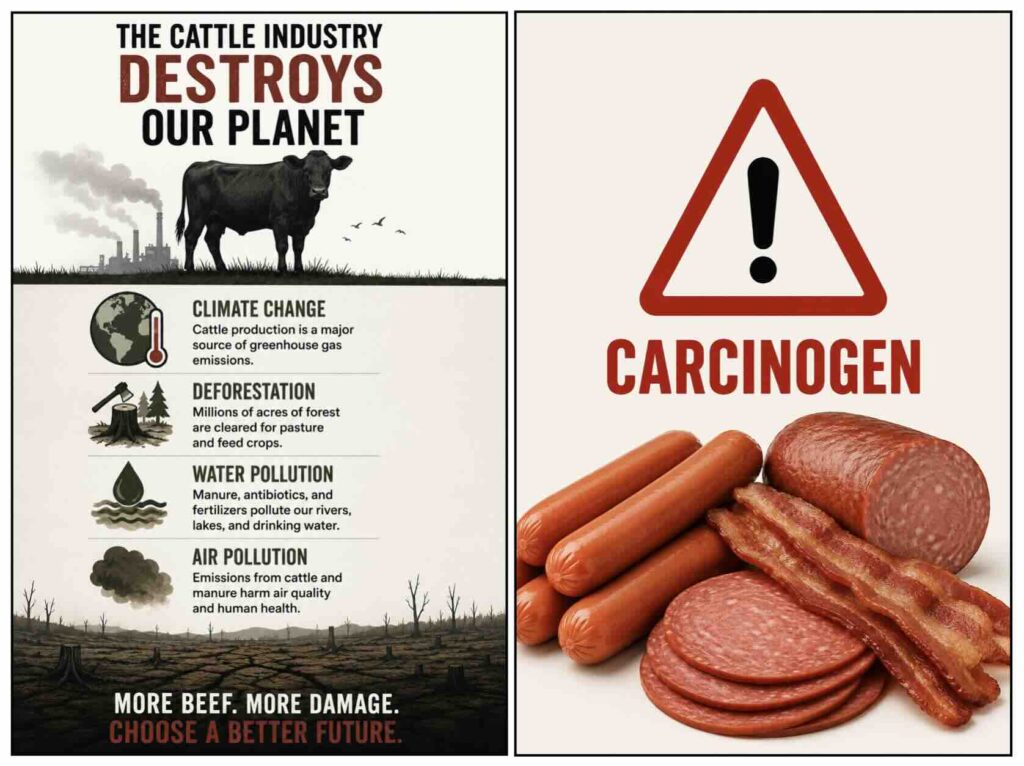
Journalists and media outlets reporting on threats to the beef industry rarely ask whether expanding and protecting cattle production is necessarily in society’s best interest. They seldom interview public health experts, environmental scientists, animal welfare advocates or plant-based food innovators who might offer a different perspective.
In the interest of fair balance, MS NOW should allocate time to examining the externalized costs of beef production with the same seriousness it devotes to reporting on threats to beef production. In future segments, MS NOW anchors could interview a cardiologist about the well-documented health risks associated with meat consumption. They could also speak to ethicists who question whether an industry built on the confinement and slaughter of millions of animals deserves perpetual protection, including taxpayer subsidies.
The screwworm story is another example of mainstream media treating the interests of the meat industry as synonymous with the public interest. By excluding voices that might challenge that assumption, the segment presents preserving the beef industry as an unquestioned good rather than a subject for debate. Moving forward, Rebecca Kutler, President of MS NOW, should encourage the network’s news desk to pursue greater balance in its coverage of animal agriculture.