In an otherwise balanced article about Beyond Meat’s new plant-based steak filets, the Daily Mail framed the story with this headline: “Is America ready for fake steak? Beyond Meat debuts bizarre new product at Wegmans and H-E-B.”
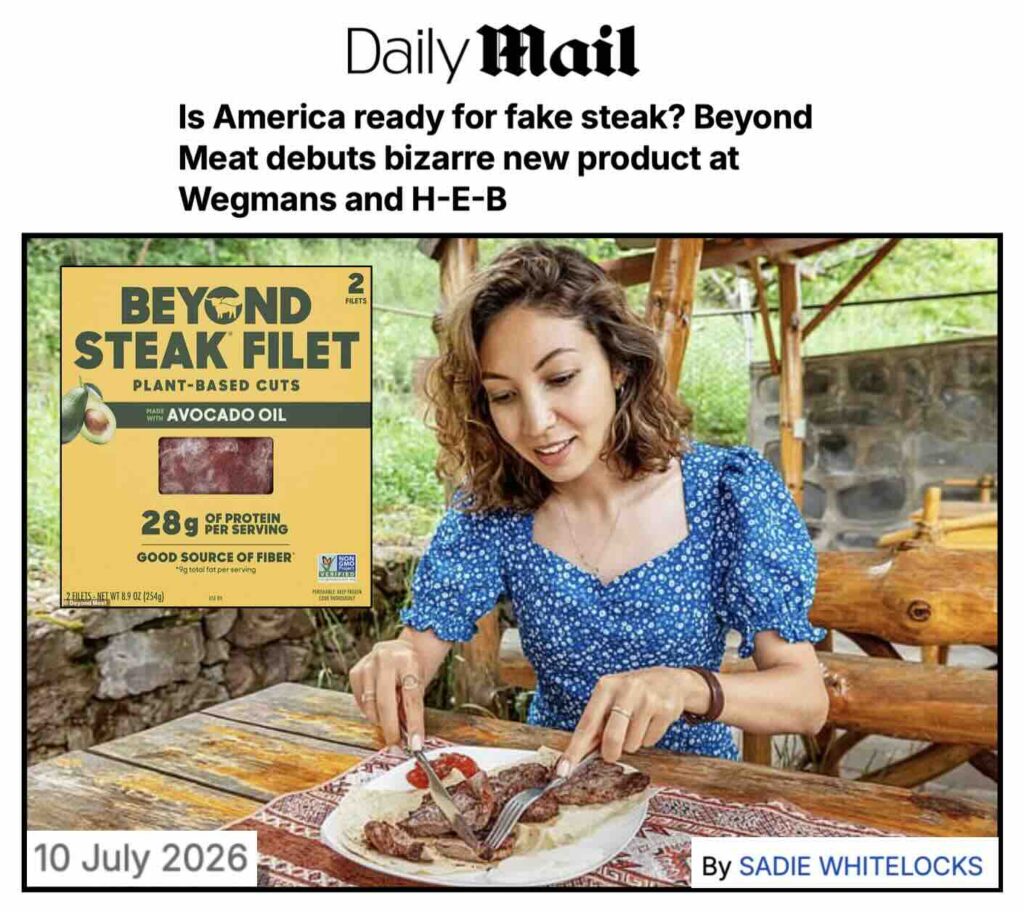
By using loaded terms like “fake” and “bizarre,“ the Daily Mail encourages readers to dismiss the product before learning anything about it. This is not journalism; it’s editorializing. Yet readers who continue past the headline encounter a story that is disconnected from the headline. The reporter, Sadie Whitelocks, describes a remarkable innovation — a mushroom-based steak alternative that replicates the taste and texture of beef while offering nutritional benefits to health-conscious consumers.
Because the overwhelming majority of people who see a headline will not read the article beneath it, the Daily Mail’s characterization of the product as “fake” and “bizarre” prejudices the audience against the product before they have an opportunity to learn about it.
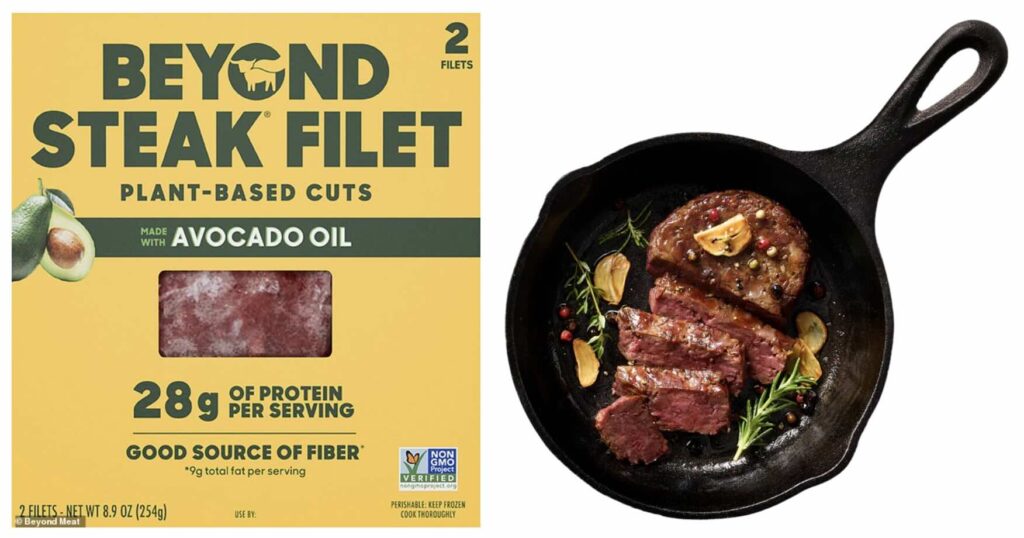
The use of these inflammatory terms also demonstrates a common double standard in mainstream media coverage of alternative proteins. Conventional meat is treated as normal and familiar, while plant-based alternatives are portrayed as strange, unnatural, or worthy of ridicule—even when the reporting itself contains little evidence to support those characterizations.
Headlines should inform readers, not manipulate them. They should accurately reflect the substance of the story, not inject bias into it.

Ted Verity (Editor-in-Chief of the Daily Mail): Given that most readers never make it past the headline, do you believe that using language in the headline that encourages readers to view a product negatively and contradicts the story constitutes responsible journalism?